← EU FEED
Science
ARCHIVE
· 101–150 of 2030 page 03 of 41


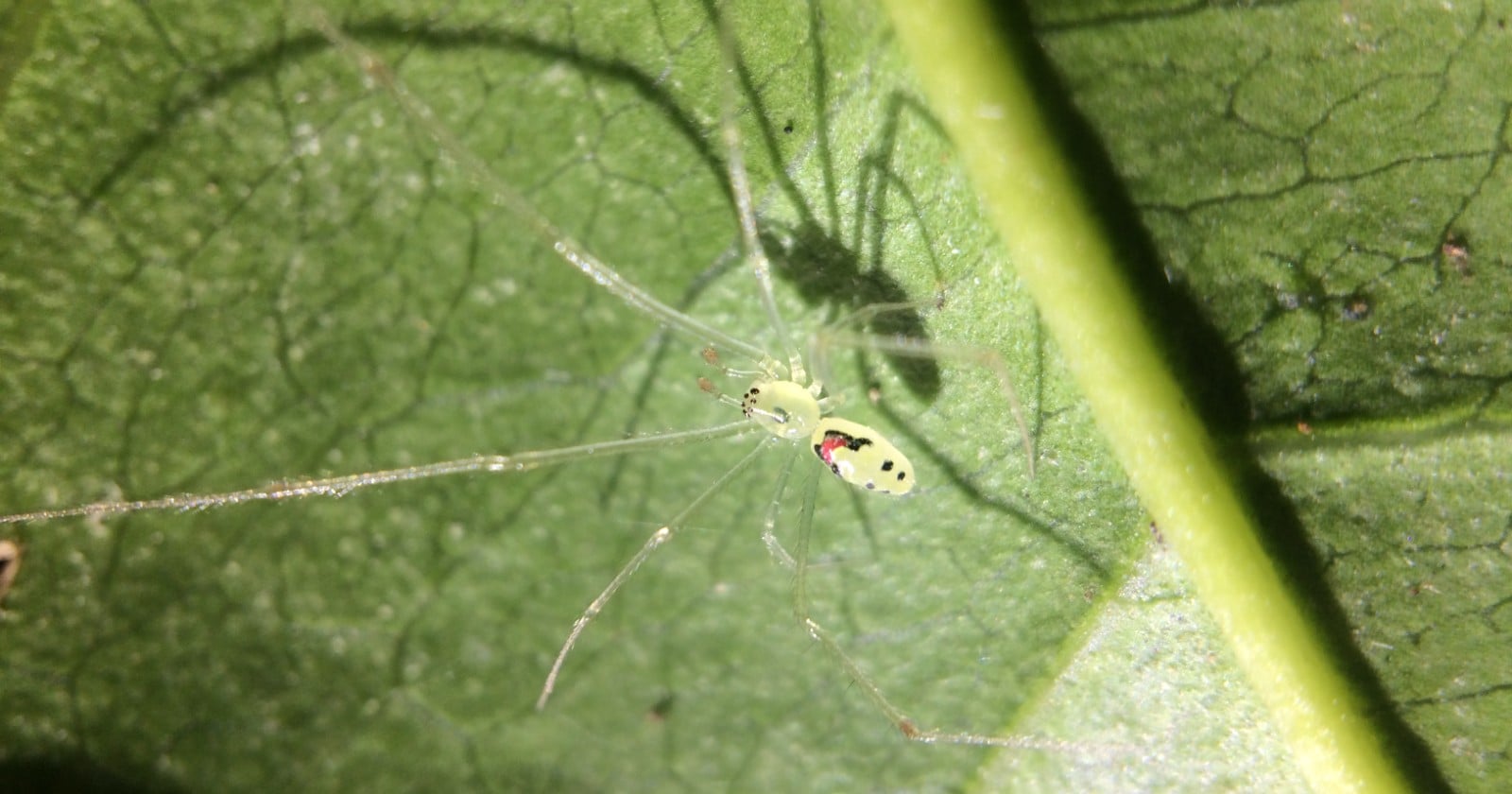
Science A spider in the Himalayas wears the same red smiling face as Hawaii’s famous happy-face spider — and its DNA marks it as a new species, not the Hawaiian one long thought to wear that grin alone

Science Business News Live: Sitharamana's tax reform push, Waaree's solar win, Zen's anti-drone system

Science Assam Flood Situation Improves; Still 5.24 Lakh Remain Hit Across 5 Districts, Death Toll Reaches 68 - Latest Updates

Science The software that landed men on the Moon was not loaded onto the Apollo Guidance Computer so much as woven into it, with women at a Raytheon plant threading wire through or around thousands of tiny magnetic rings by hand, one pass for a one and one miss for a zero, until the whole program was a physical textile

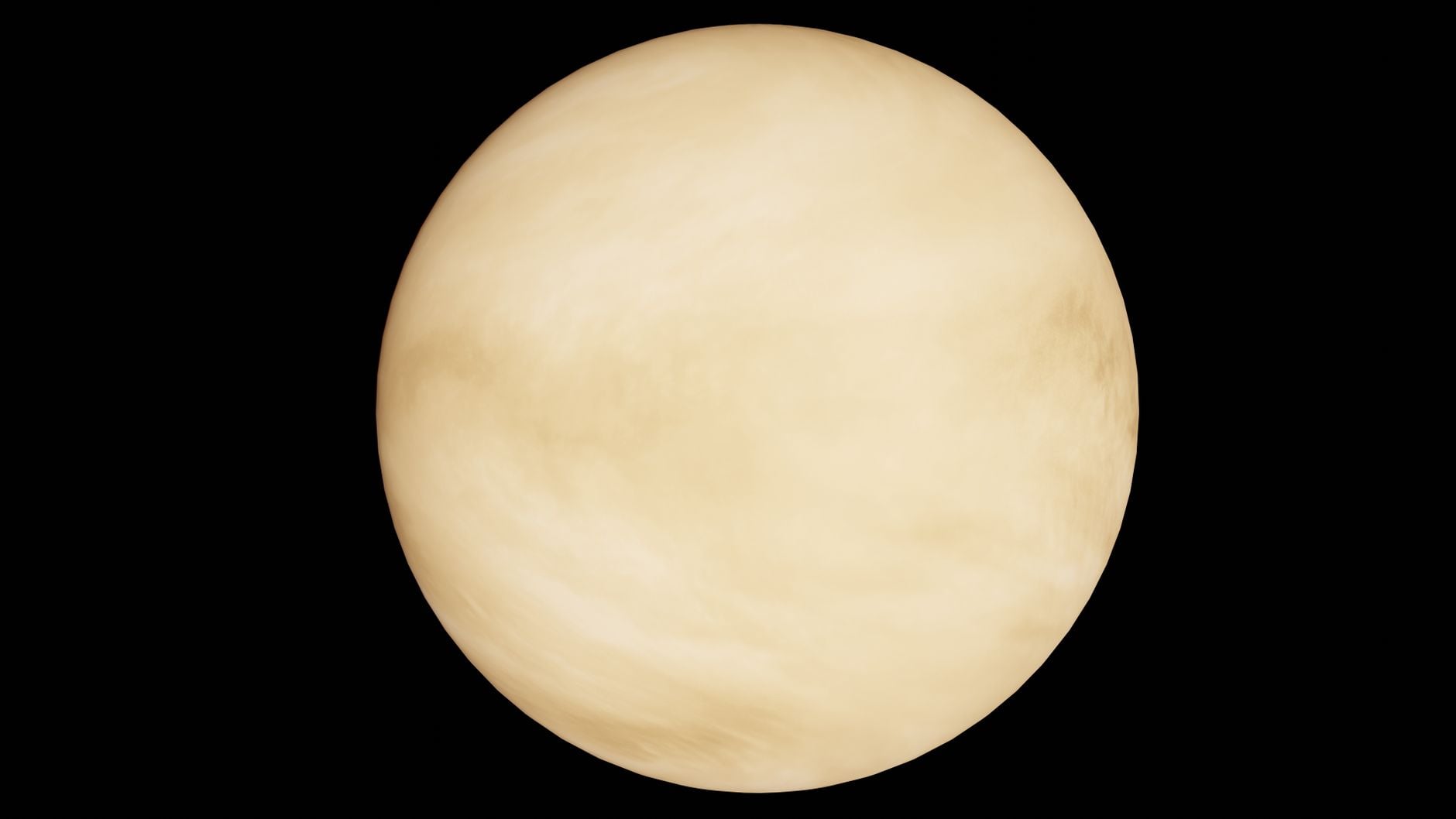
Science A Soviet probe built in 1972 to land on Venus returned to Earth on 10 May 2025, and the same titanium shell meant to survive the hottest planet may have carried it intact through re-entry

Science Europe’s Air Quality Dramatically Improves in 10 Years, With 39-59% Drop in Industrial and Road Toxins
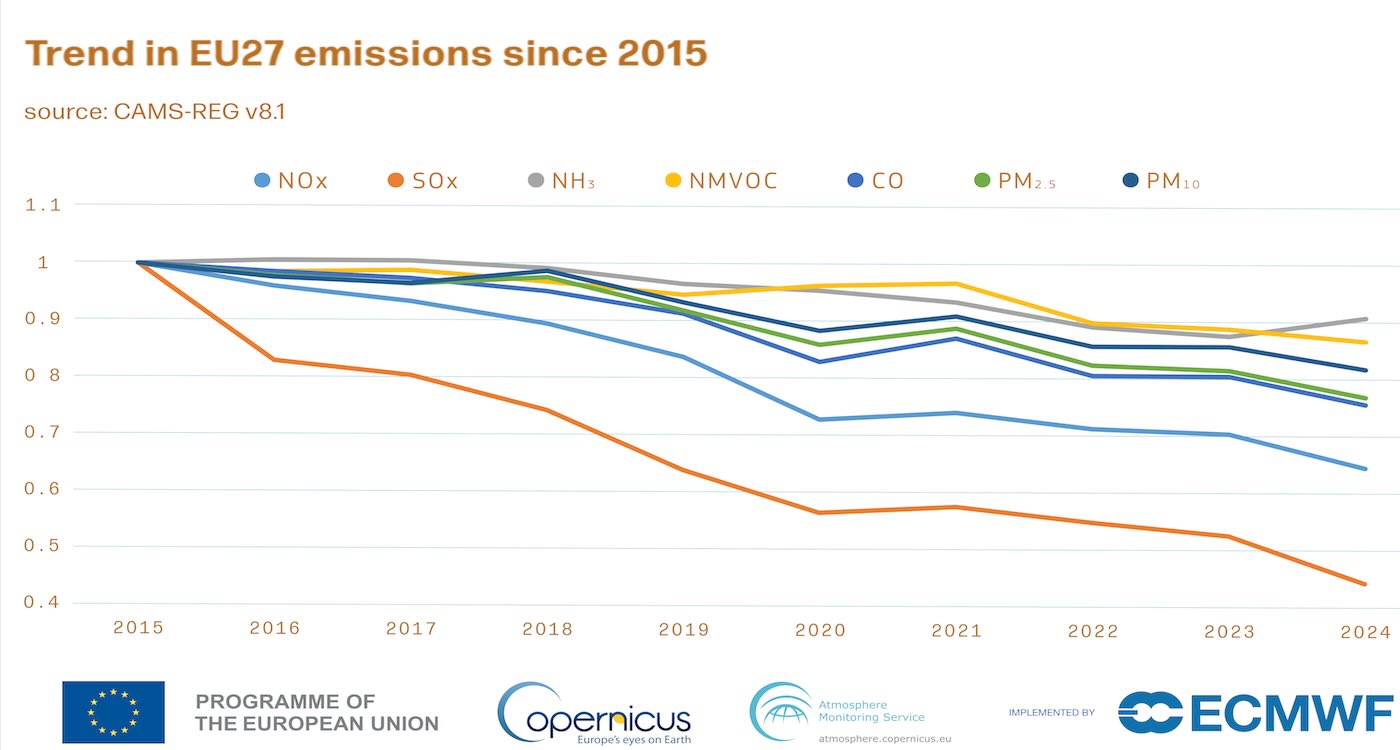

Science CM Shivakumar convenes meeting of K'taka MPs for drought relief; announces Assembly session from Aug 13

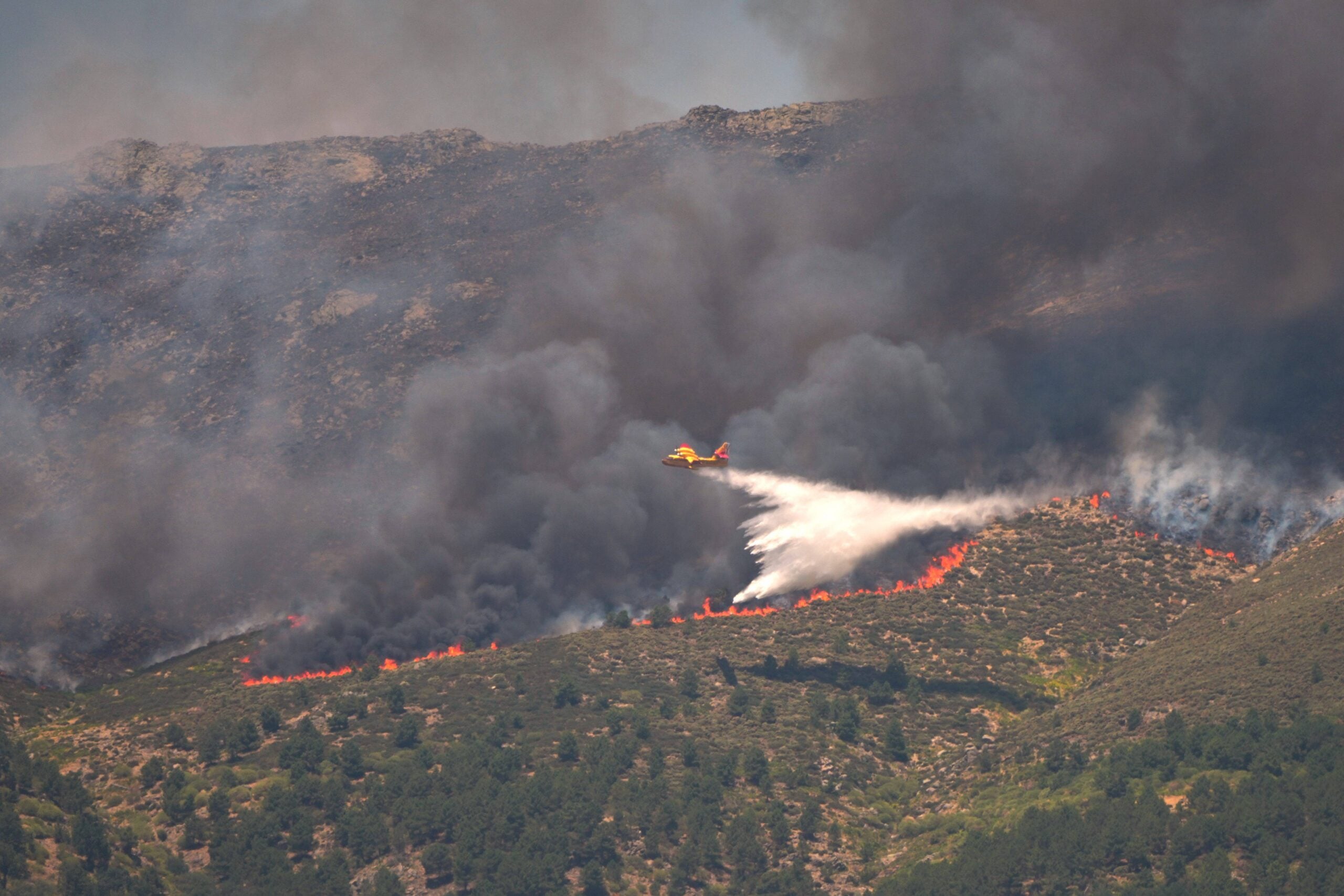


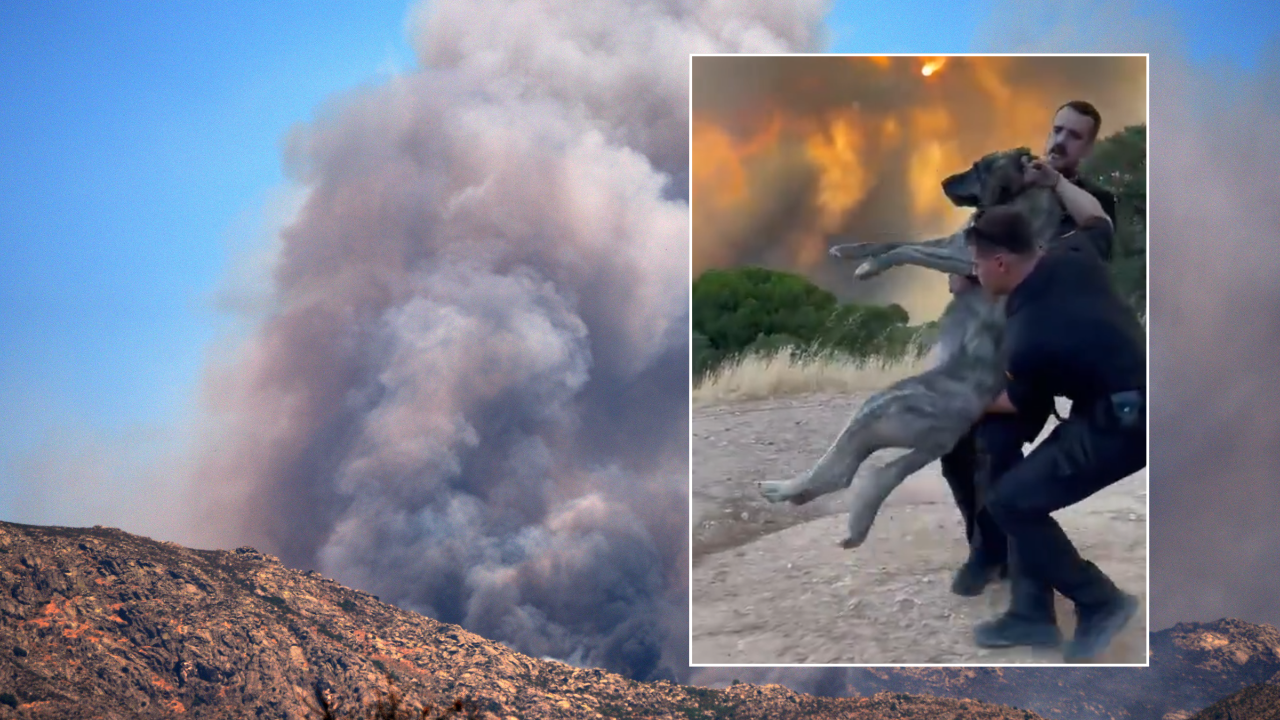
Science 'Firefighters are hoping that more of those fires don't join up': Spain steps up wildfire response

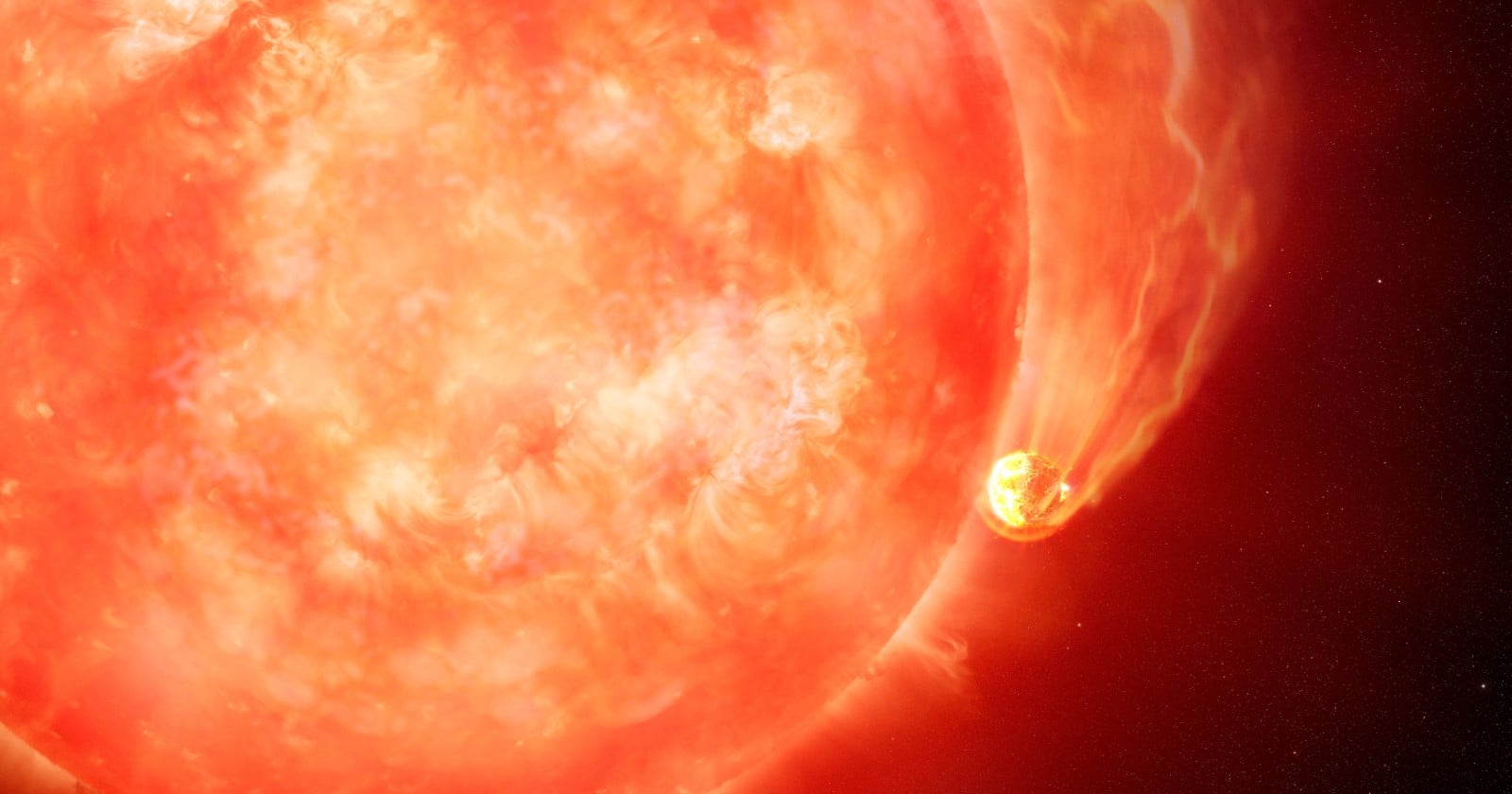
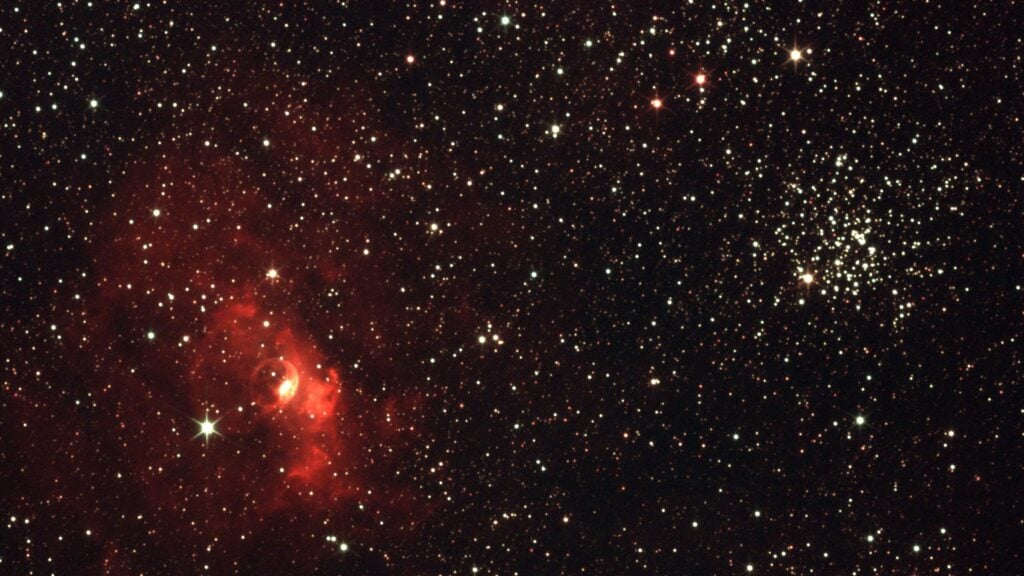
Science Did a Sun-like star quietly swallow one of its own planets, leaving behind a spike of lithium it should have lost long ago?
Science A ‘sasaeng’ is the South Korean term for a fan whose devotion crosses into surveillance and intrusion, and the reframe that lingers is that the sasaeng isn’t a malfunction of K-pop’s intimacy model — they’re its most literal customer

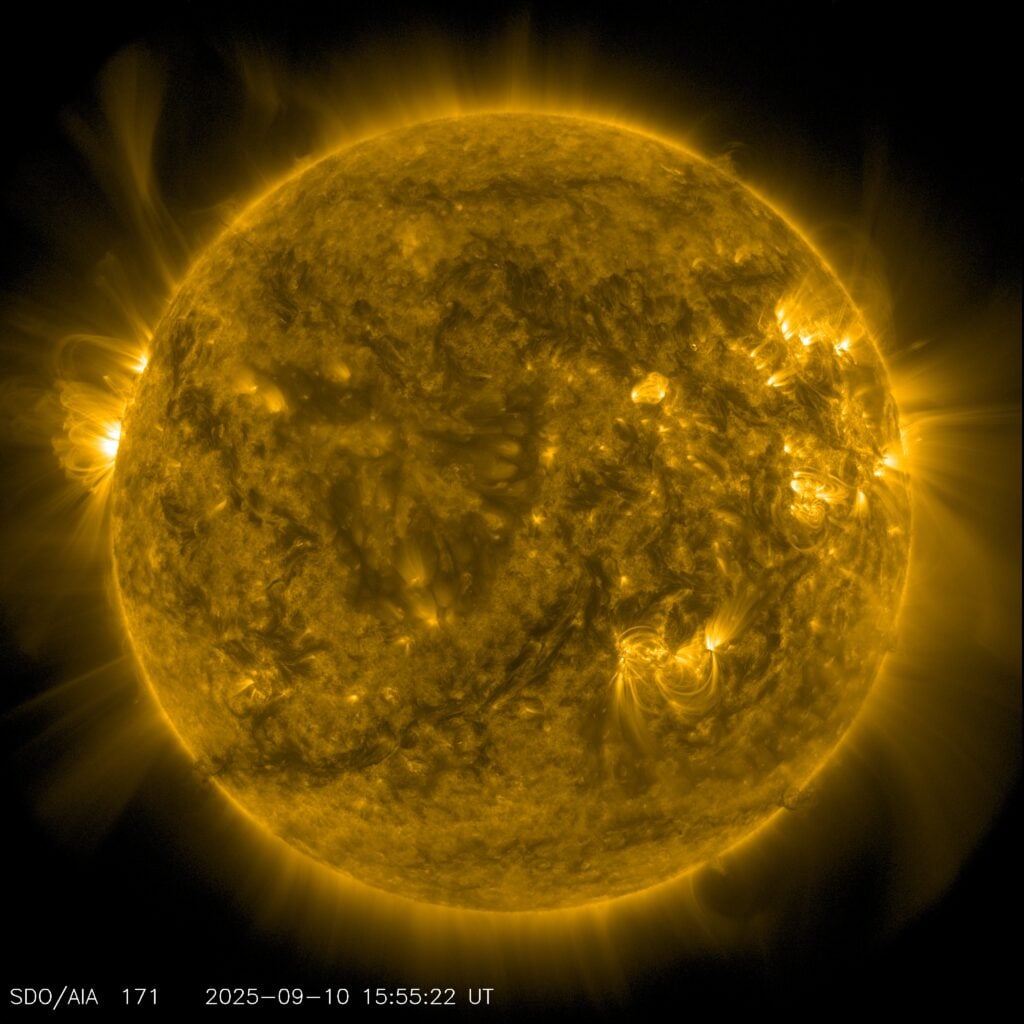
Science Scientists expected the sun to enter a period of historic quiet after 2008, when solar activity hit its weakest level on record — instead it reversed course entirely and has been growing more active ever since, in a trend NASA published in the Astrophysical Journal Letters in September 2025
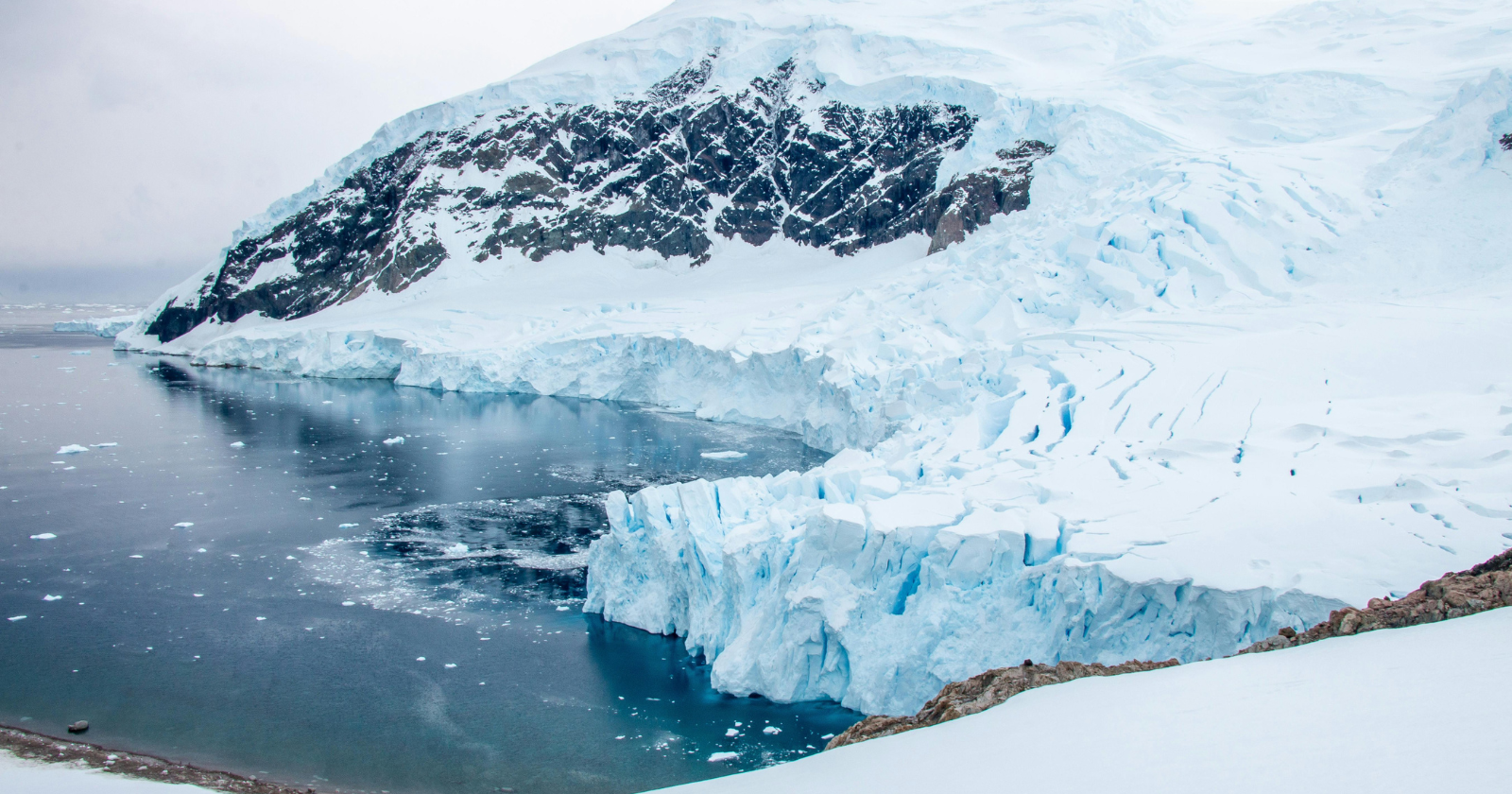
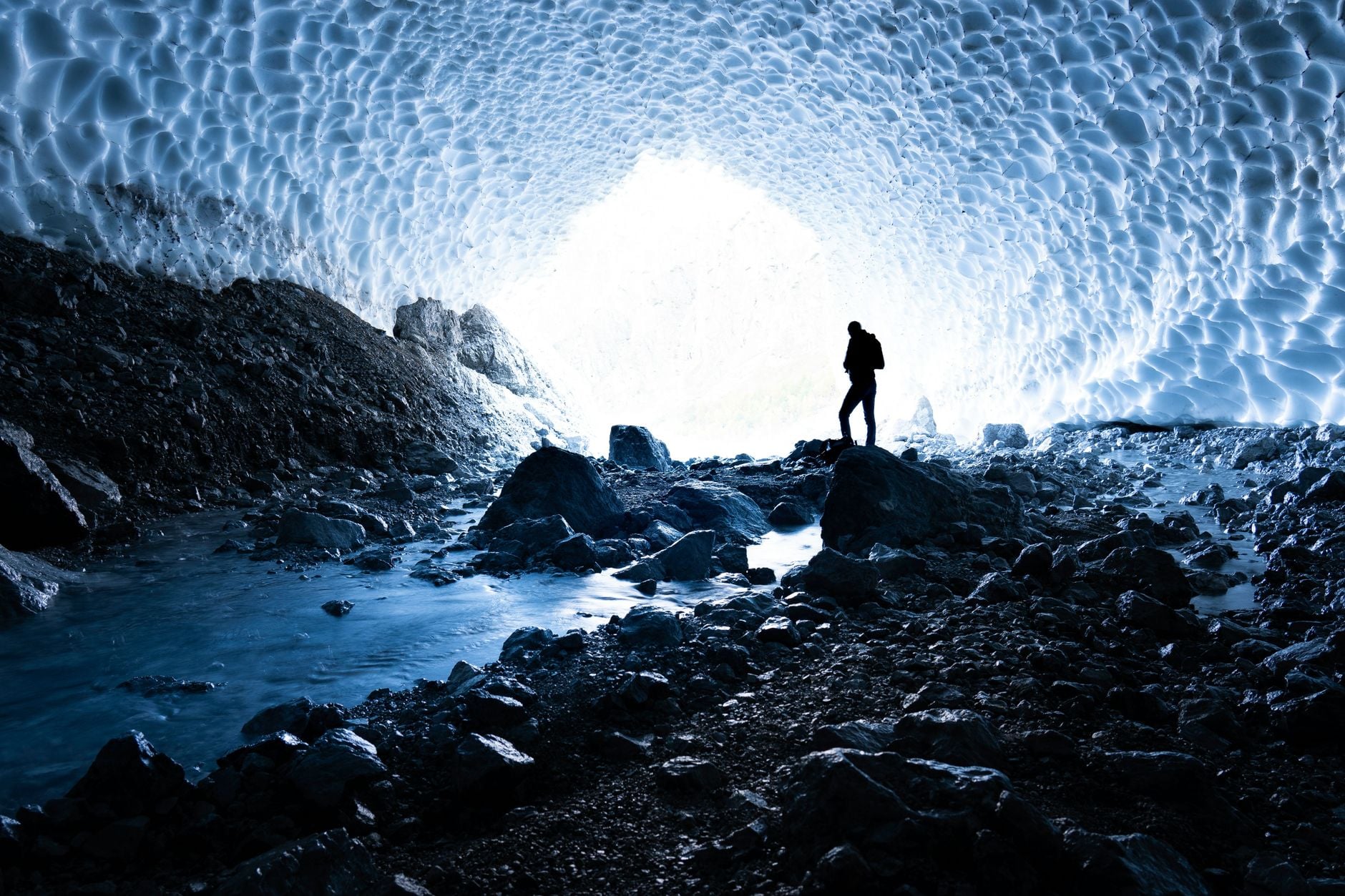
Science Two and a half kilometres beneath the Antarctic ice, a cubic kilometre of frozen water has been wired with 5,160 light sensors, turning the South Pole itself into a telescope that looks down through the entire planet to catch particles arriving from the other side of the sky
Science The second closest potentially habitable planet to Earth is not around a famous star; it is GJ 887 d, confirmed in 2026 around a quiet red dwarf 10.7 light-years away – making GJ 887 d the second-closest known habitable-zone planet after Proxima Centauri b

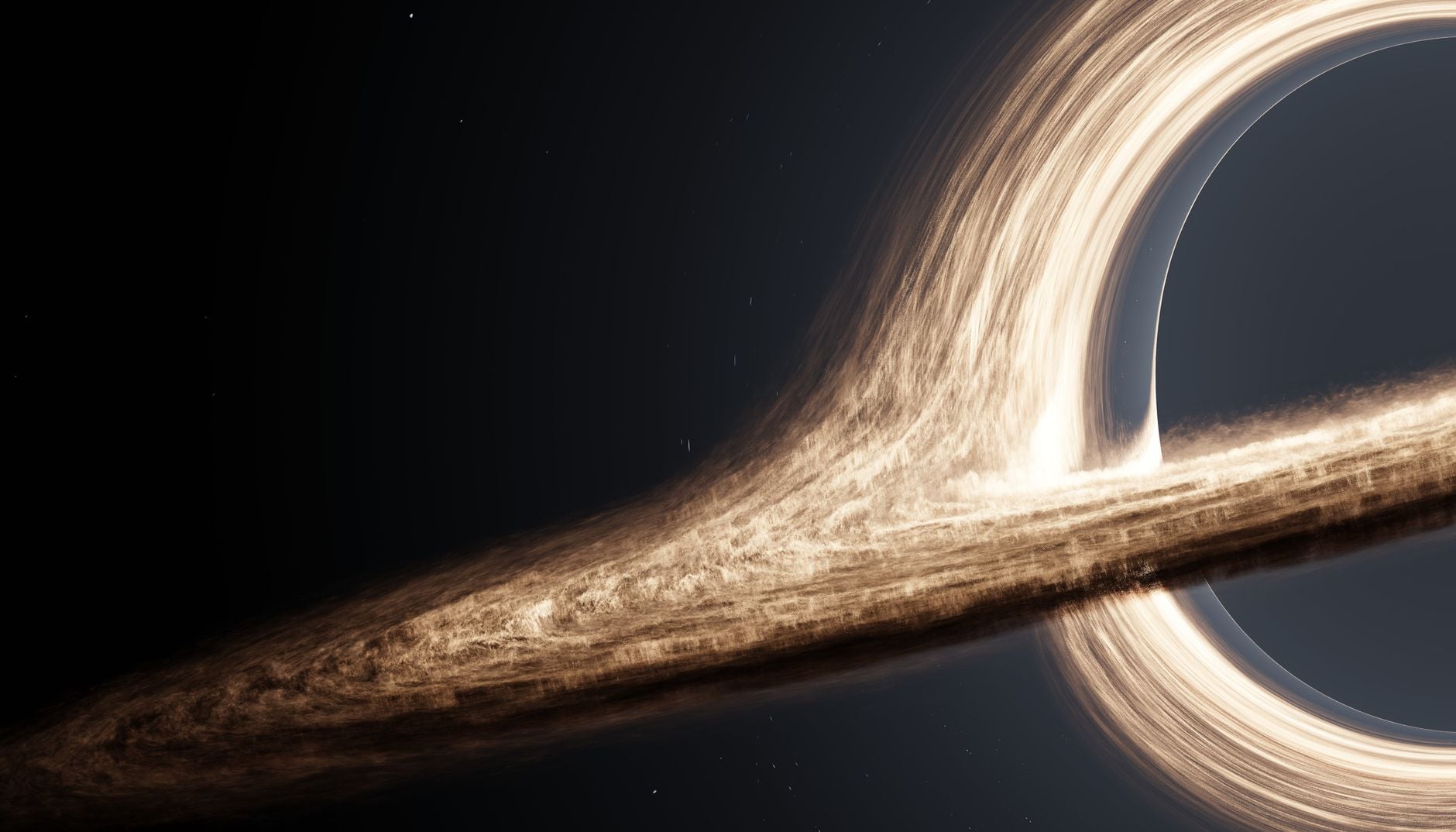
Science A star near the centre of our galaxy reaches almost 3 per cent of the speed of light as it is whipped around something four million times the mass of the Sun that emits no light of its own — and tracking its orbit for nearly three decades helped two astronomers win a Nobel Prize
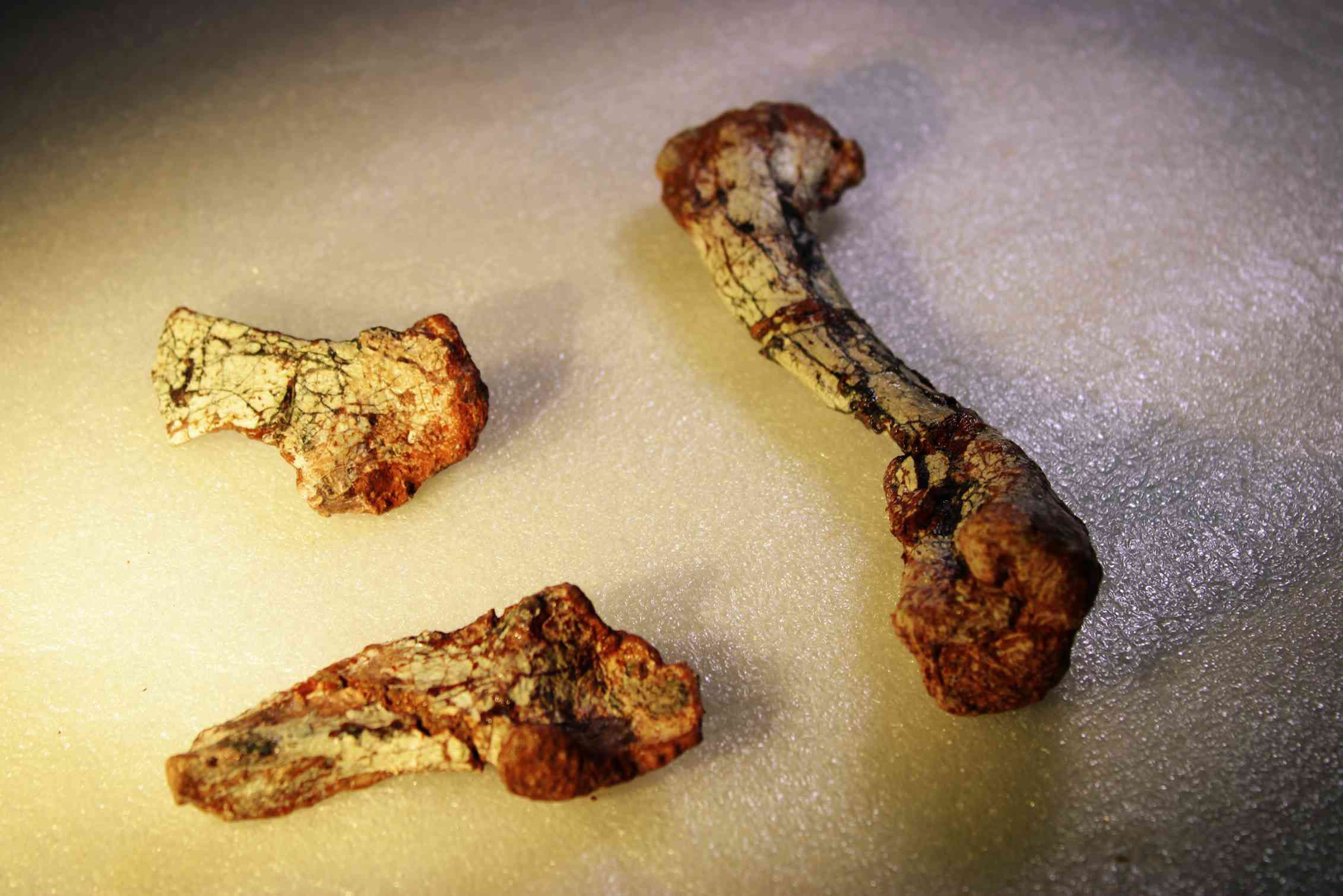
Science How does a pond in Antarctica sitting at minus 50 degrees refuse to freeze, year after year, while everything around it is solid ice?
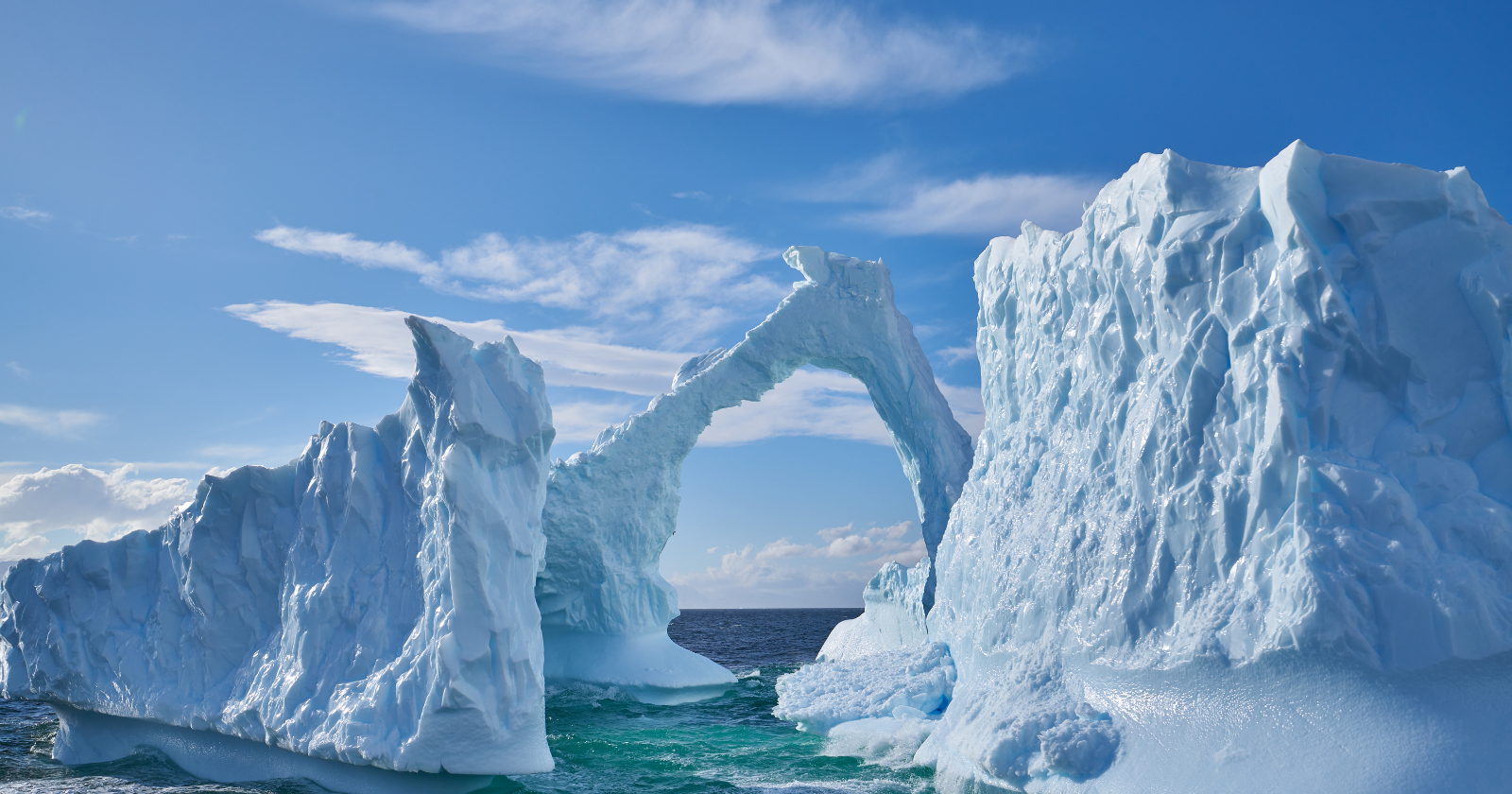

Science ‘It felt like the end of the world’: wildfire evacuees in a Spanish sports centre tell their stories


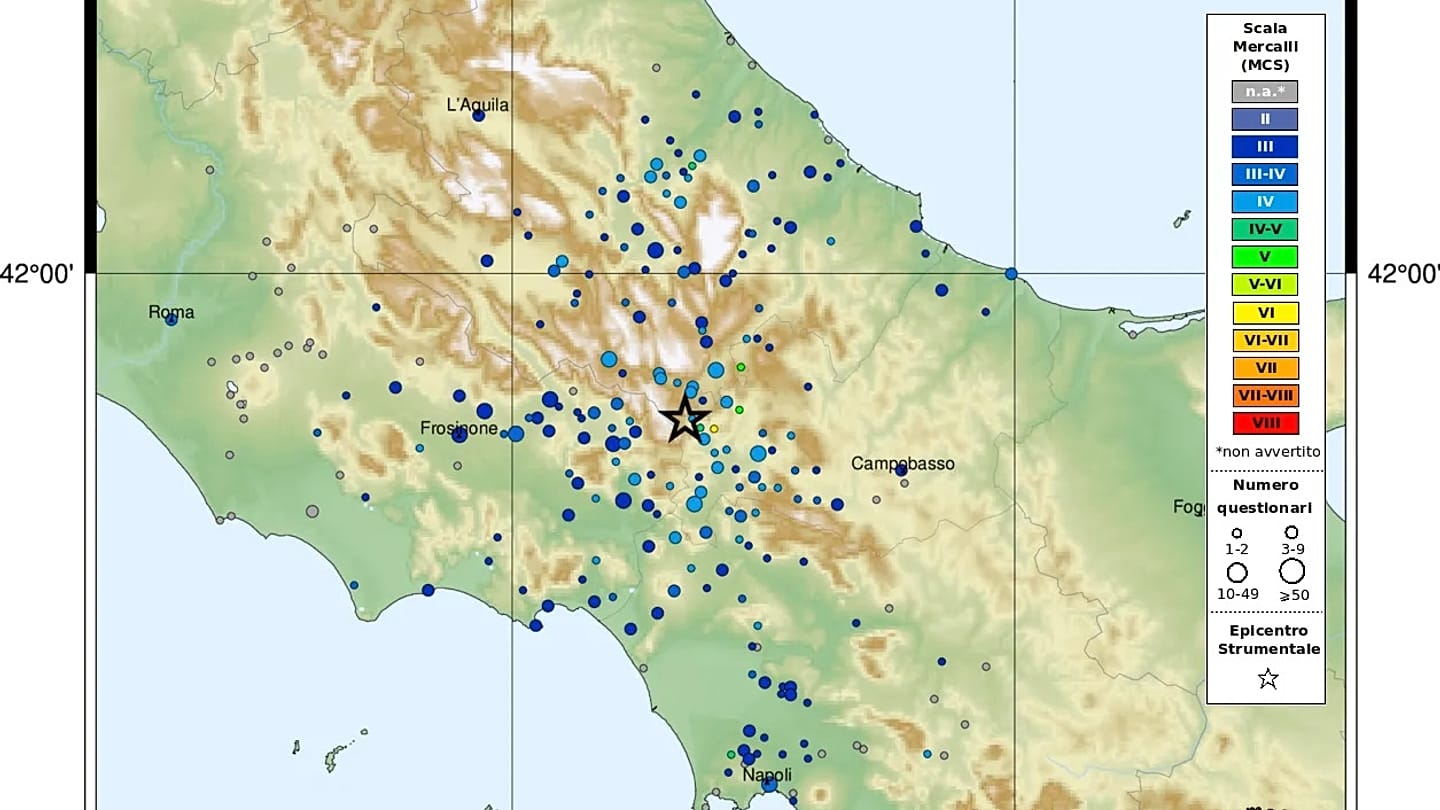
Science Istanbul is the only major city on Earth that sits in two continents at once. The Bosphorus strait cuts straight through it, so one half of this metropolis of some 15 million stands in Europe and the other in Asia — meaning millions of residents cross between two continents on their daily commute, hopping from Asia to Europe and back just to get to work

Science Koalas are the only non-primates with true fingerprints, and theirs are so close to a human’s that even under a microscope forensic experts have struggled to tell the two apart

Science Four dead stars have been confirmed within 65 light-years of Earth, hidden for decades in the glare of the brighter red dwarfs they orbit
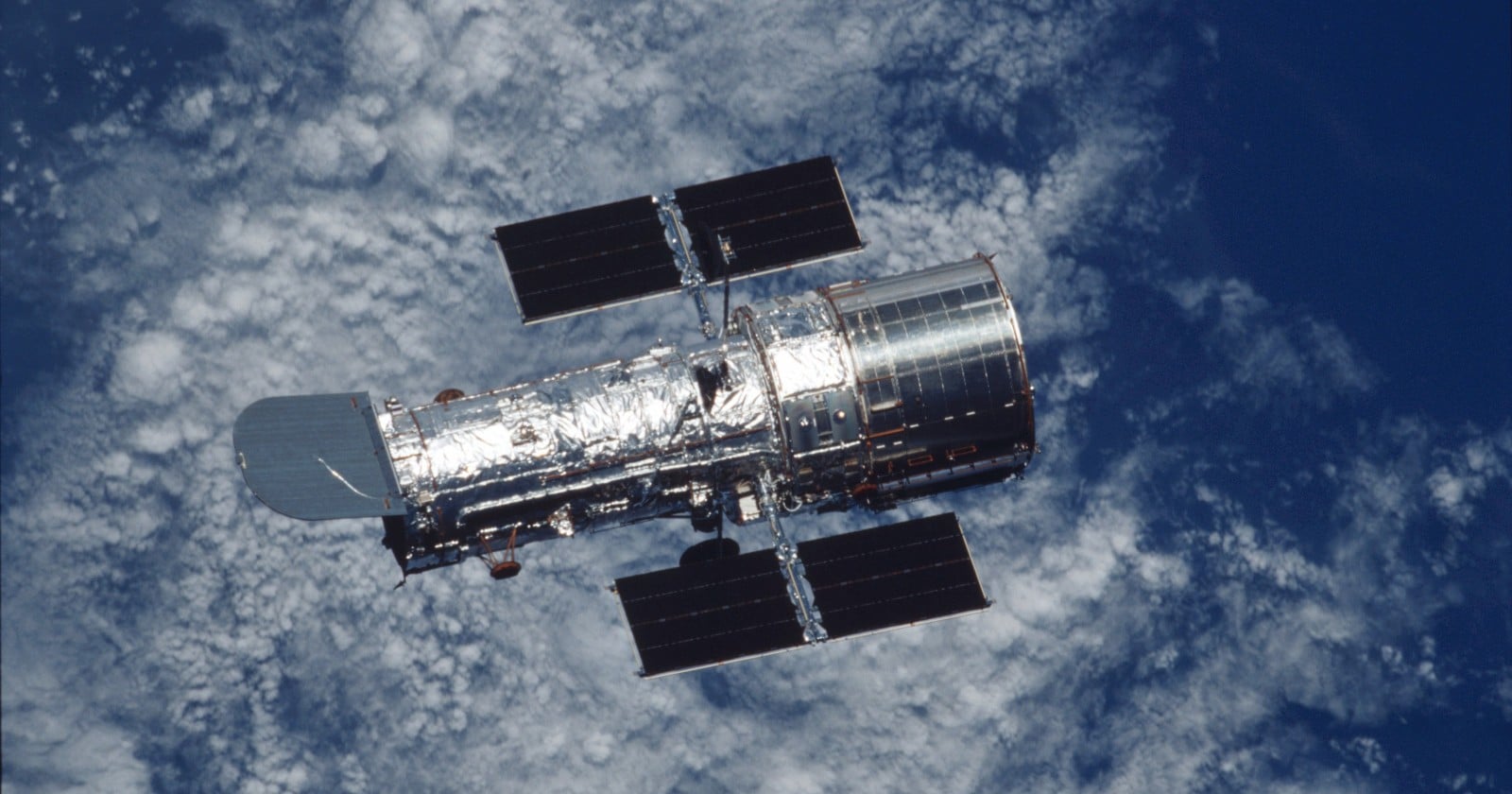
Science ‘Thank you, heroes’: Guardia Civil officers hailed after risking their lives to save pet dog from Madrid wildfire
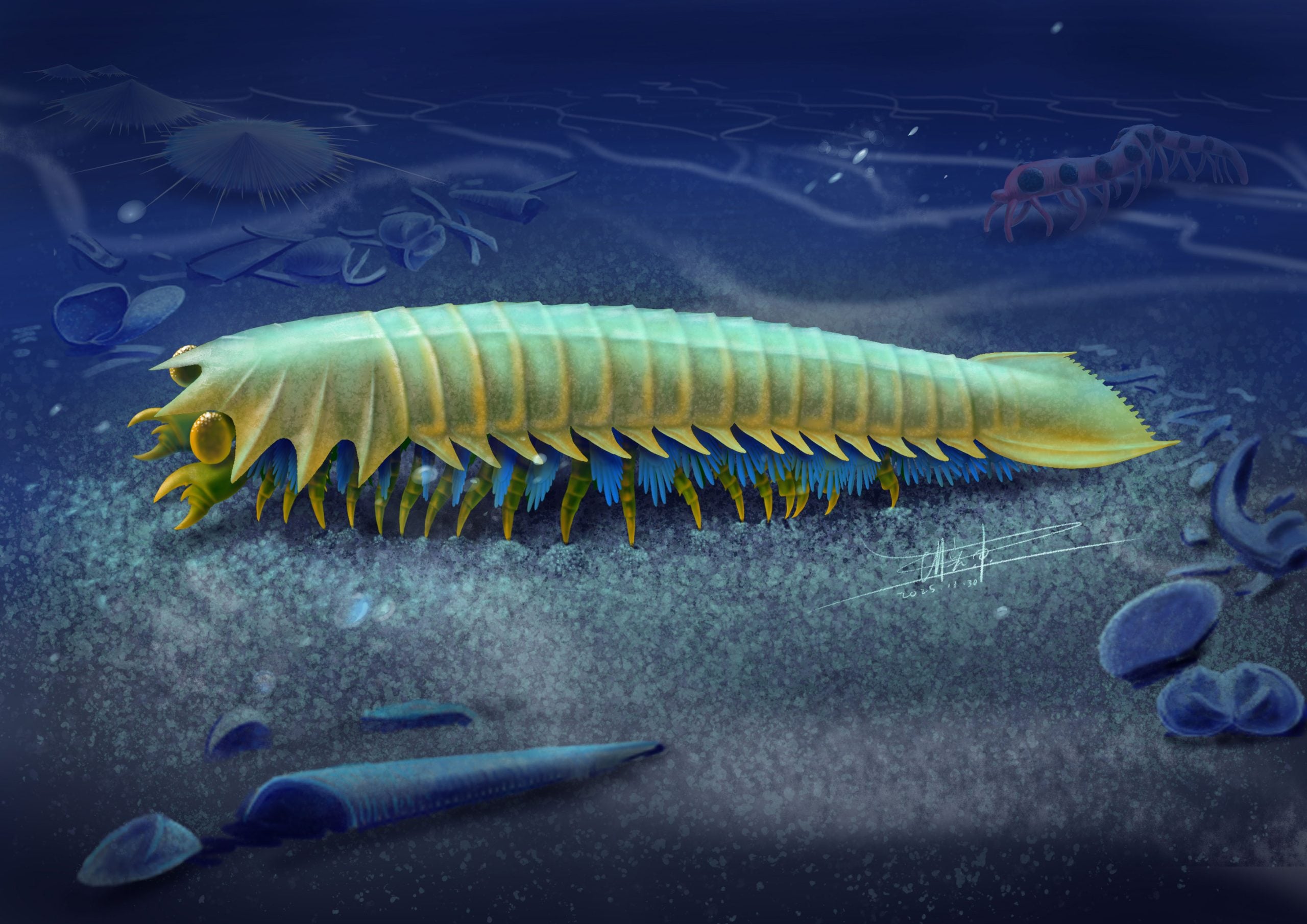
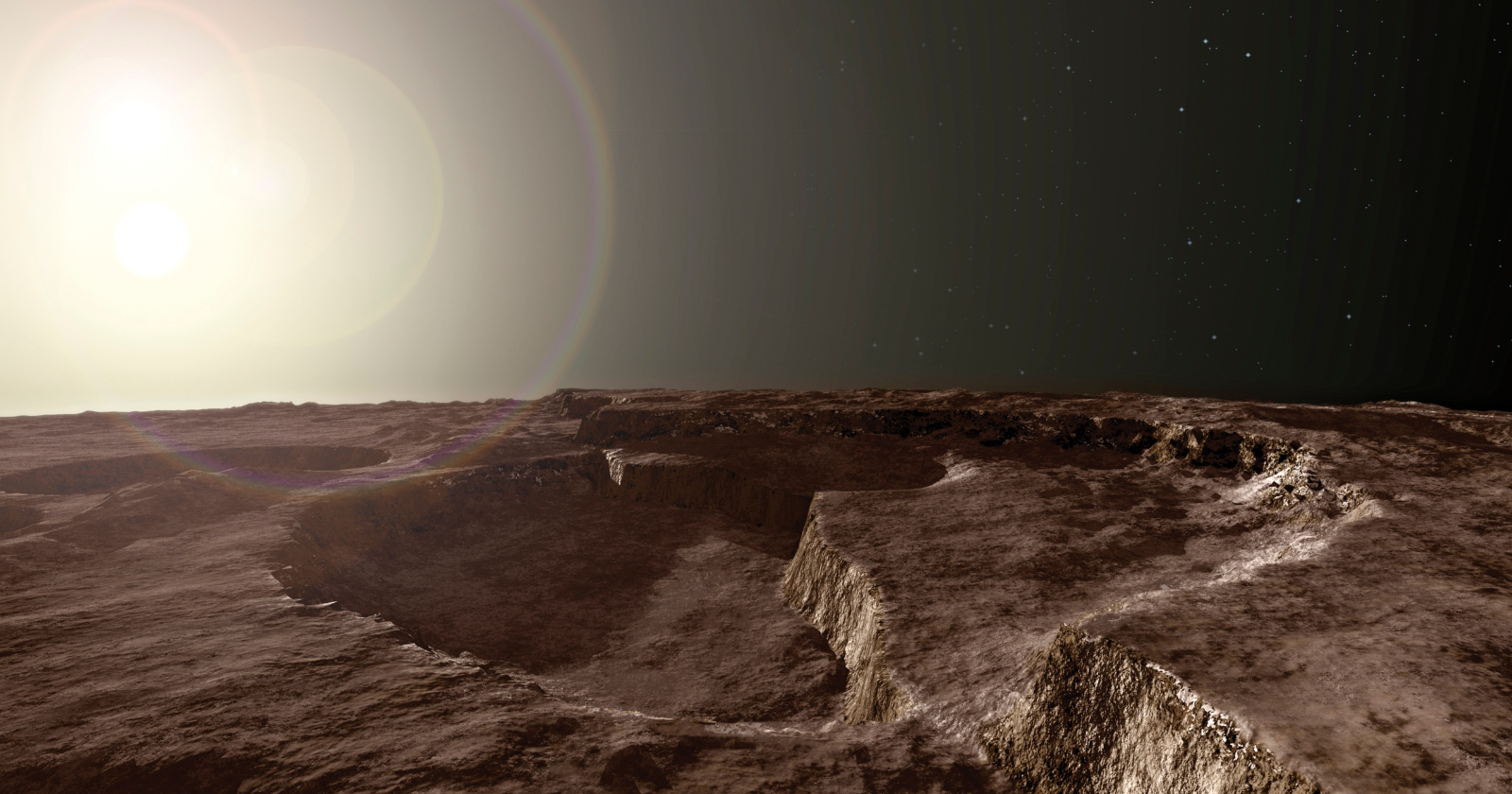
Science Deep inside polar craters on Mercury, sunlight has never once fallen — and NASA’s MESSENGER spacecraft confirmed in 2012 that those permanently shadowed floors hold ancient water ice, sitting metres from terrain hot enough to melt lead
Science The “Meditations” of the Stoic philosopher and Roman emperor Marcus Aurelius, often quoted today as one of history’s great books of wisdom, was never meant for anyone’s eyes but his own — a private notebook of reminders he wrote to steady himself, with no title and no thought of readers

Science Extreme heat is scorching our health: increased irritability, poorer sleep and more cardiovascular problems


Science We tend to imagine the habitable zone as a narrow ring around a star, but icy moons have transformed that picture. Far beyond the reach of life-sustaining sunlight, vast oceans may remain liquid beneath their frozen surfaces—warmed by the constant gravitational flexing of the giant planets they orbit.