The family that turns hundred-year-old sheets into wedding dresses
· maria almenar
Source Summary
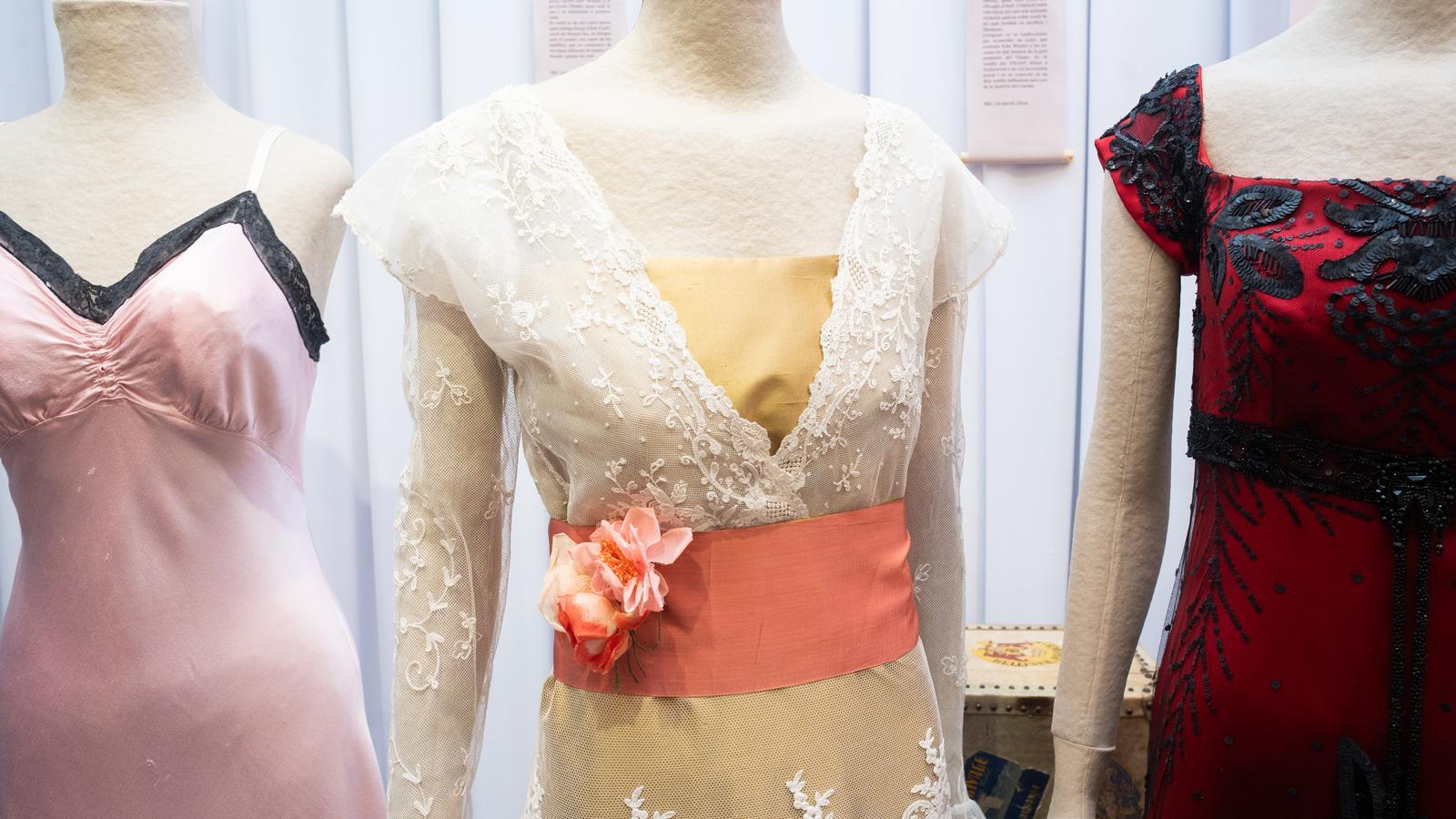
Why does a family continue to work with centuries-old fabrics when everyone consumes new clothes that may not even last a year in the closet? In an era dominated by Shein and Temu – among other fast-fashion giants – there is a shop in Barcelona's Gothic Quarter that defies this logic and works in the exact opposite direction. At L’Arca, sheets, bedspreads, and curtains from the late 19th and early 20th centuries are transformed into wedding dresses or pieces of ready-to-wear . Its raw material is not just quality cotton, silk or linen: it is time. “It is part of a history and we are only writing a new chapter,” summarizes Carmina Pairet, one of the current managers of the space she shares with her sister Nina Balmes.This way of understanding fashion is not a recent trend, but the result of two family lines – one with roots in Maresme and the other in Garrotxa – that have revolved around lace for almost two centuries. The exhibition Treasures of L'Arca , which this year is hosted by the Museum of Arenys de Mar, recovers this history and shows how lace was much more than a decorative element: it also constituted a powerful industry, a business with international projection and a heritage that has managed to reinvent itself. But to understand why a family continues to work today with centuries-old fabrics, we must go back to Catalonia in the mid-19th century. When the tip was luxury, culture, and merchandise In 1856, at the height of Barcelona's industrial boom, Casa Vives was founded, one of the companies that best understood the commercial potential of Catalan lace. Beyond the romantic imagery that surrounds it, lace was much more than an ornament: it was a prosperous industry, a business with an export vocation, and a product capable of competing in major international markets. The firm's participation in the Universal Exhibitions of Barcelona (1888) and Chicago (1893) is a good example of this. "Lace was luxury, culture, and merchandise," summarizes Carmina Pairet.