Concrete Memory: 12 Postwar Monuments Across Eastern Europe
· diogo borges ferreira
Source Summary
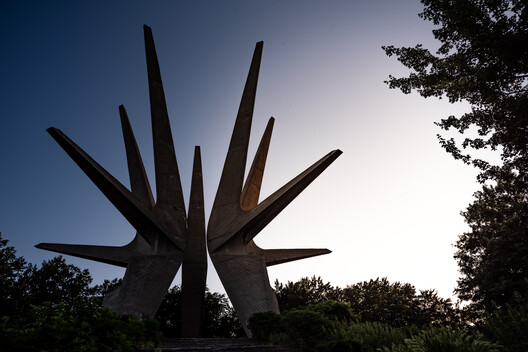
A monument is usually the most conservative building a state will commission. It is expected to stabilize memory, to make history legible, and to give public form to a shared narrative. Eastern Europe's twentieth century produced an entire body of work from the Baltic to the Balkans that resisted precisely those expectations, challenging the conventional relationship between monument, memory, and representation. Commonly grouped under the name spomeniks , these architectural exercises are perhaps the best-known examples of a much broader landscape of memorial architecture that emerged across the region. These were societies emerging from occupation, civil conflict, or revolution, and none of them possessed a single symbolic language capable of accommodating the complexity of their histories. Rather than searching for new heroes or new icons, many architects and artists turned to space itself as the medium through which remembrance could be constructed.