Africa and the World Cup, an unrequited love
· jaume portell
Source Summary
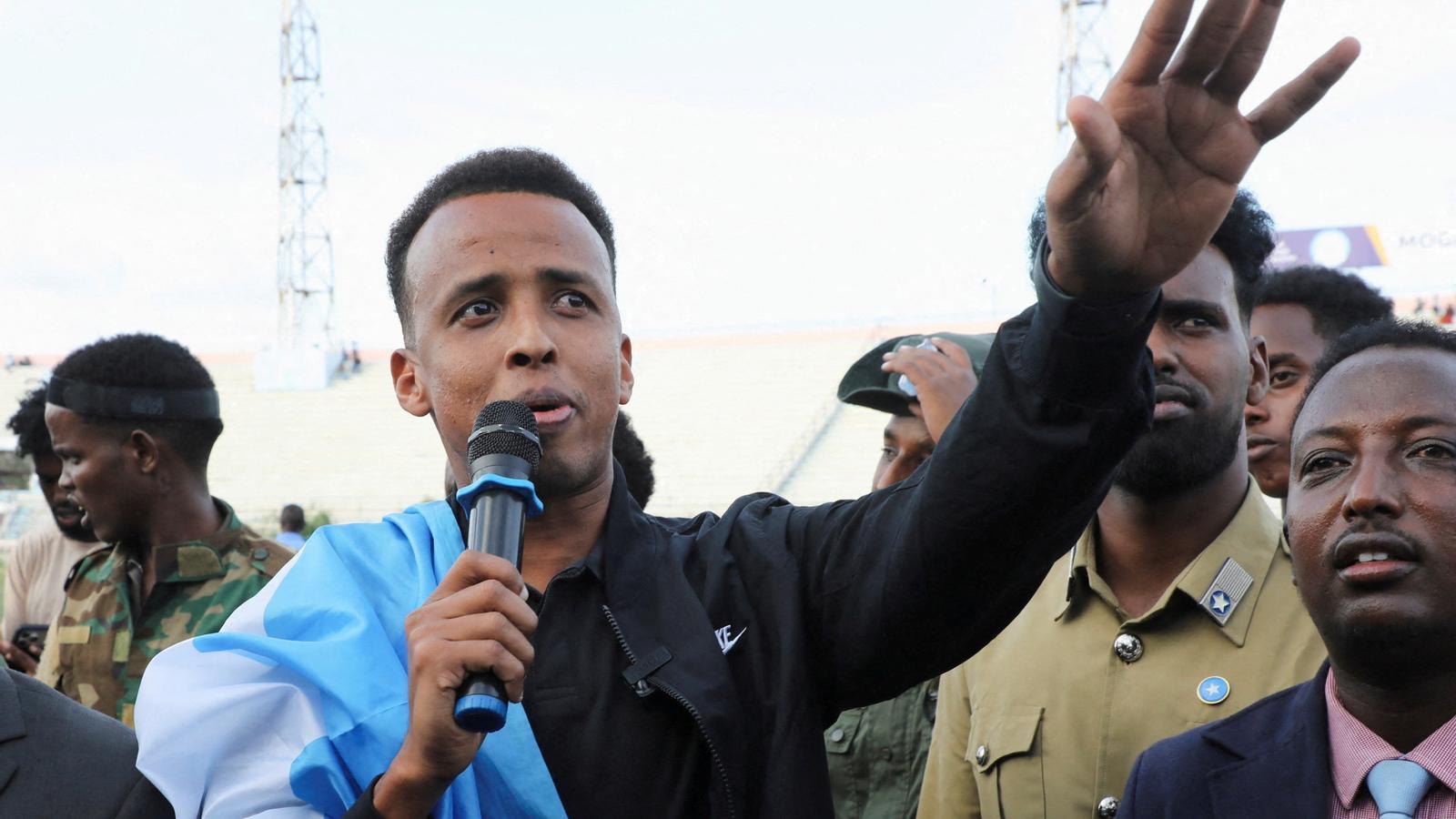
This World Cup is, from a historical point of view, an absolute triumph for the African continent. For the first time, ten African selections will compete in it, a fact that has allowed the strongest selections on the continent – Morocco and Senegal – to participate, but also for others to debut – Cape Verde – or for some to return to a World Cup half a century later – the Democratic Republic of Congo. For African countries, playing in the World Cup has been a constant struggle since political decolonization. In 1966, when there were only sixteen selections in the World Cup and ten were European, Africa had to compete for a place with selections from Oceania and Asia. Without guaranteed direct places, the leaders of Ghana and Ethiopia encouraged the fifteen African teams to boycott the World Cup: if they didn't have a guaranteed place, they wouldn't go. FIFA ignored them and the '66 World Cup was left without Africans, but in '70 they already had a guaranteed place for the first time. Now they have nine places – and can access a tenth through an intercontinental play-off –. Some things haven't changed: for Europeans, a World Cup with more non-European selections is considered a mockery or a devaluation of the competition. This World Cup that is now born allows us to confirm two things. The first is that FIFA leaders have understood that the 54 votes from African federations — out of a total of 211 — can allow them to perpetuate themselves in power. The second is that the world with more demographic weight will not resign itself to being a secondary player — no matter how much the West, which dominated the 20th century, increasingly in the minority, views it with suspicion. The expulsion of a referee Without the ball having even rolled, US immigration policy already showed us the limits of policies based on increased representation . Having more presence in institutions is not a triumph if the same people are in charge. It is one thing to have more African teams in the World Cup and another for Africans to be respected. Somali referee Omar Artan, 34, considered the best in Africa, was deported upon arriving in the United States, days before the competition began. In Somalia, which is experiencing a new political crisis, local politicians were lining up to effusively support him on social media, and Artan was received as a hero at Mogadishu airport. No one, neither in Somalia nor in the rest of Africa, was able to defend him to get him readmitted. Few matches in the World Cup will have more impact than Senegal-France next Tuesday. The African country is the second most indebted on the continent and may not be able to continue paying its debt installments when the second half of 2026 arrives. Budgetary austerity has paralyzed the country and destroyed the relationship between the president and the prime minister, who came to power with a program of radical economic transformation. The same week the IMF arrives in Dakar to negotiate a bailout package, Senegal will face the French, the former metropolis. In a country where banks, gasoline distribution, food, and even the currency have ties to France and its multinationals, the match represents much more than a moment of football. An unlikely victory would be a symbolic and ephemeral, but a demonstration, that Senegal's destiny is not to lose forever against its former masters.